

Investors snatch defeat from jaws of victory, yet again
Mickey Kim / October 3, 2025
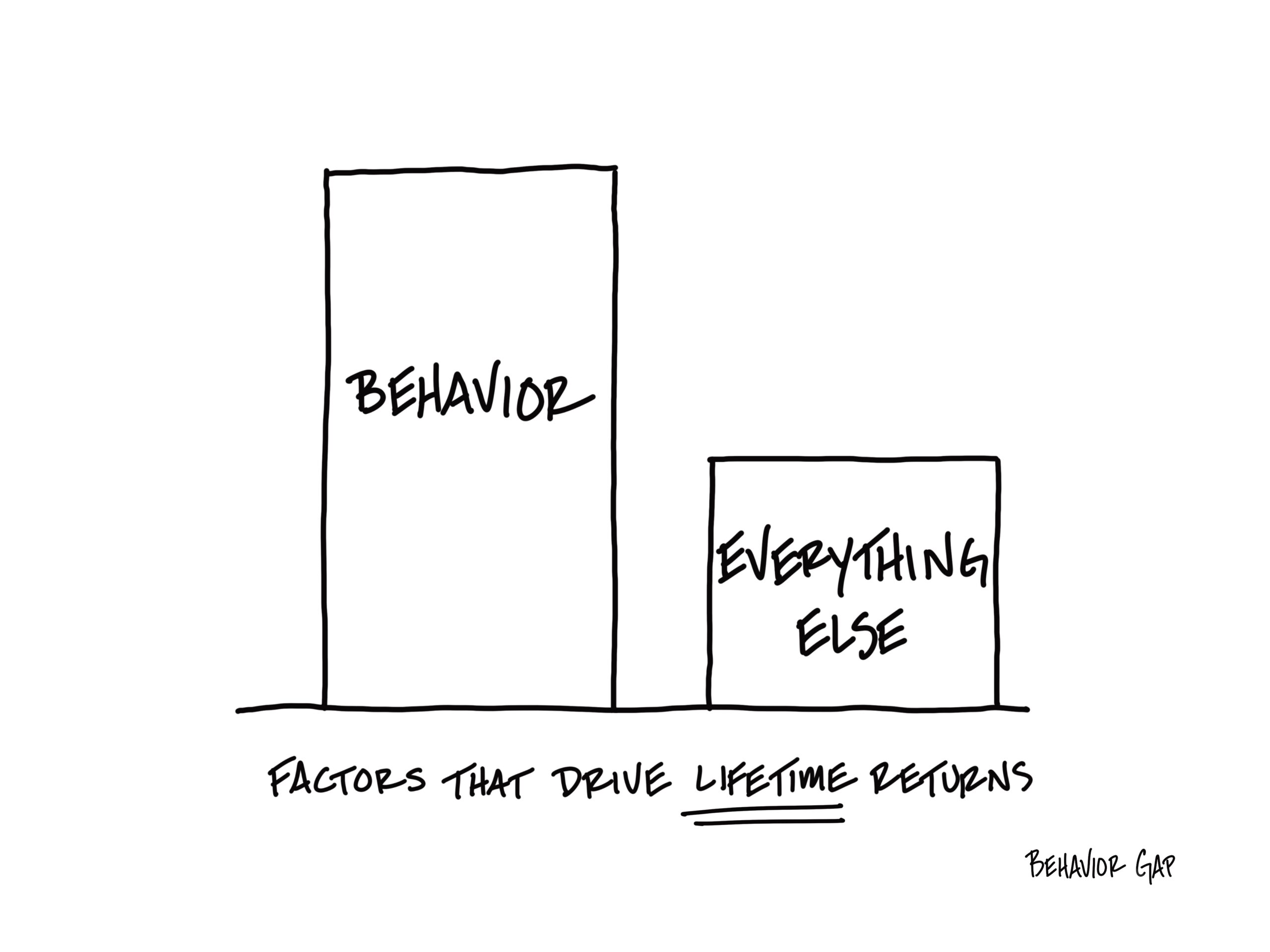
History shows that, when it comes to investing, individuals are often their own worst enemies. As a result, the returns realized by investors—known as ‘investor returns’—consistently and significantly lag behind the actual performance of the funds they choose—’investment returns’.
The reason is the persistent drag of human nature and behavioral biases.
Two highly respected annual studies in behavioral finance—DALBAR’s Quantitative Analysis of Investor Behavior (QAIB) and Morningstar’s Mind the Gap—once again confirm what advisors have long suspected. Investors consistently and unintentionally undermine their own results.
Not because the funds are flawed, but because of when and how investors choose to buy, sell, and switch.
Examining the 2025 editions of these reports reveals how investor behaviors continue to jeopardize financial outcomes.
The Stubborn Gap: How Far Investors Trail the Market
DALBAR’s QAIB report has been tracking investor behavior since 1994 and its latest report shows for the year ending December 2024, the average equity fund investor earned 16.54%, a healthy gain until you consider the S&P 500 soared 25.02% over the same period. That’s a gaping shortfall of 8.48 percentage points, the second largest in a decade.
Similarly, Morningstar found that over the past decade, investors in U.S. mutual funds and ETFs earned 7.0% annually, while the funds themselves returned 8.2%. That 1.2 percentage point annual ‘investor return gap’ means investors missed out on roughly 15% of the funds’ total returns, a tremendous amount of money needlessly left on the table.
The Market Giveth, Investors Taketh Away
Why do investors do so much worse than the investments they pick? The answer lies not in the funds themselves—whether index or active, ETF or mutual fund—but in a series of common psychological traps and tactical errors:
- Buy High, Sell Low: Time and time again, investors pour money into equities after strong rallies and bail during downturns. In 2024, even as markets posted double-digit gains, the average equity investor withdrew 3.23% of assets—the ninth straight year of net outflows. Most of this money left during, or just before, the most fruitful quarters, causing investors to miss out on the market’s best performances.
- Fear and Herding: DALBAR catalogs a rogues’ gallery of behaviors: loss aversion, anchoring to past experiences, overreacting to news and simply copying others (herding). Each contributes to panic selling, late buying and constant second-guessing—actions guaranteed to drag down returns.
- Guessing Wrong: Over 2024, DALBAR’s “Guess Right Ratio”—the frequency at which investors time inflows or outflows correctly—fell to just 25%. That means investors guessed right on market direction just one quarter of the time, tying a record low. Even worse, a single poorly-timed misstep can erase months of gains.
- Chasing Complexity: Morningstar shows that the more complicated, volatile, or trendy a fund is, the wider the gap grows. High-turnover, high-fee, or sector-specific funds tempt investors to trade—and the more they trade, the more ground they lose.
- Short Holding Periods: Most investors don’t give long-term strategies time to compound. In 2024, the average holding period for an equity fund dropped to 4.79 years—barely half the length of a typical market cycle.
The Price of Poor Behavior: Real Dollars and Missed Opportunities
The real harm isn’t abstract—it’s concrete, compounding and devastating over decades.
- In 2024, a hypothetical buy-and-hold investor started with $100,000 in the S&P 500 and ended the year with $125,020. But an “average” investor, mimicking the cash flows and behaviors tracked by DALBAR, finished with just $112,774—earning over $12,000 less in a single year simply by moving money around at the wrong times.
- Because of compounding, what may seem like a small annual percentage gap becomes a chasm over twenty years. The same $100,000, if left untouched in the S&P, would have mushroomed to $717,503. Meanwhile, the average investor, whipsawed by poor decisions, finished with just $345,614, costing himself more than half due to self-inflicted wounds.
Mind the Trap: Lessons and Coaching for Better Outcomes
So, what’s to be done? Both DALBAR and Morningstar offer cautionary—and constructive—takeaways:
- Automate and Simplify: The fewer ad hoc trades, the less room for emotional error. Automated portfolio rebalancing and dollar-cost averaging work because they take the investor off the emotional roller coaster.
- Long-Term, Not Latest Trend: Resist the siren song of hot sectors or complex, opaque investments. The less excitement, the steadier the progress—boring is beautiful.
- Focus on What You Can Control: Costs, diversification and sticking to your plan matter more than trying to “time the market” or find the next Nvidia.
The Moral: Don’t Outsmart Yourself
Investment success comes not from outsmarting the market, but from discipline, patience and humility before the unpredictable tides of markets—and acknowledging our own human behavioral biases. True wisdom—echoing the advice often found in these pages—means staying the course, embracing simplicity and minding the gap, not trying to eliminate it with misguided action. As Warren Buffett famously said, “investing is simple, but not easy.”
The opinions expressed in these articles are those of the author as of the date the article was published. These opinions have not been updated or supplemented and may not reflect the author’s views today. The information provided in these articles are not intended to be a forecast of future events, a guarantee of future results and do not provide information reasonably sufficient upon which to base an investment decision and should not be considered a recommendation to purchase or sell any particular stock or other investment.